What Is the Kenyan Running Method? The Ebooks vs the Real Thing
The Kenyan running method explained by coaches who live it: what the Kenyan Running Method and Kenyan Runner Method ebooks get right, and what you can't get from a PDF.
Last reviewed:
Short answer
The Kenyan running method is a way of building a week: easy runs kept truly easy, one or two hard sessions with a clear purpose, and a long run that anchors everything. Add hills instead of a gym, and enough patience to repeat that for years. Kenyan runners learn it from a coach and a group, not from a book. The ebooks sold under this name contain the template. A coach applies it to you.
Coached by Kenyan professional runners. From $79 a month, cancel any time.
Or read the free Kenyan Running Method book first"The Kenyan running method" is the name of two ebooks that TikTok and Facebook ads have pushed hard since July 2026. Neither is ours. Here is what the method actually is, from runners who train in the Rift Valley, and what changes when a real coach applies it to your week instead of a PDF.
The Kenyan Running Method vs the Kenyan Runner Method: which book is which?
Two products use almost the same name. "The Kenyan Running Method" is a 130-page PDF with four 12-week plans, sold for $29 by The Running Week, a Spanish running media company with a large Facebook following. "The Kenyan Runner Method" is a shorter ebook and audiobook sold on Gumroad under the name Eric Kipto, whose TikTok account is @runwithkipto ("Eric Kiptoo"). It costs $17.99, with an "advanced" edition at $34.99. KenyanRunning.com is not connected to either book. Our own book is a third, separate one: free, 11 chapters by Martin Karoki Muriuki, a Kenyan pro with a 14:13 5K. We get emails every week from people looking for one of them, which is why this page exists.
Both books are about the same underlying idea, and the idea is real. Neither book has an author with a competitive record you can look up on World Athletics. That matters less for a book than it does for the person telling you what to do on Tuesday.
What the method actually is
Strip away the packaging and the Kenyan running method comes down to six habits shared by the serious runners we train with in the Rift Valley. None of them is complicated. All of them are hard to keep doing.
- Easy runs are slow. Slower than feels useful. "Polepole" is most of the week.
- One or two hard sessions a week, each with a clear purpose: a tempo, a fartlek, a track session. The rest of the week stays easy so you arrive at them fresh.
- The long run is the anchor of the week, built up gradually over months, never jumped to.
- Strength work is done on hills. Few Kenyan runners lift weights; many run the same climb every week.
- Rest is part of training. Sleep, simple food, a nap after the long run, and one full day off every week. Nothing exotic.
- Consistency over years beats intensity over weeks. The runner who repeats a modest week for three years beats the one who does a heroic month and gets injured.
Our coaches did not read this in a book. Martin and Peter train in the Rift Valley. Michael raced the 2026 LA Marathon this way and lost the win by one hundredth of a second.
A sample Kenyan week, and what a coach changes
Here is the shape of a week for a serious amateur following the method. The structure is the one the pros use in the Rift Valley: three quality sessions (track, fartlek, long run) spaced out by easy days. Plus one full day off, which in Kenya is Sunday. The pros run most of these days twice, morning and afternoon, on 180 to 200 km a week for marathoners. Do not copy the doubles or the mileage. Copy the shape. And read the second half of each line, because that is the part you won't find in the ebook.
- MondayEasy 40 to 60 minutes. A coach checks how Saturday's long run felt and, if you were wrecked, turns this into 30 minutes or moves the rest day.
- TuesdayTrack or intervals. A coach sets the effort by your last two weeks, not by a pace chart, and tells you when to stop.
- WednesdayEasy run. A coach watches whether your "easy" pace is creeping up, which is the most common mistake he sees.
- ThursdayFartlek or hill repeats. Thursday is the traditional group fartlek day in Iten. A coach decides whether you are ready for it this week or whether it becomes another easy day.
- FridayEasy or rest. A coach moves this around your work and family, because a plan that fits your life is a plan you keep.
- SaturdayLong run, progressive, finishing controlled. A coach caps it when you are fatigued and extends it when you are ready, weeks earlier than the book's schedule.
- SundayRest. Kenyan pros take one full day off, almost always Sunday. Some jog 40 easy minutes before church; nobody trains hard. A coach makes sure you actually take it. The runner who "just jogs" on the rest day is the one who breaks in week nine.
The decisions between the days are the method.
What you can't get from a PDF
The plan is the easy part. The method is the judgment applied to it. In a Kenyan camp the coach watches the group run, sees who is tired, and changes tomorrow. He holds back the runner who wants to push and pushes the one who is coasting. He decides pace by how you look, not by a table.
With a 12-week PDF you run the same Tuesday whether you slept four hours or nine. Nobody reading it knows your hamstring is tight, or that you ran the long run too fast last Sunday. That judgment is the part of the Kenyan method that can't be put in a book, and it is how you stay healthy long enough for the rest to pay off.
Who coaches here
Three professional runners. Their names, faces and personal bests are on this site, and Michael Kimani Kamau's coach page links to his World Athletics profile.
- Michael Kimani KamauMarathon 2:08:19 (Shenzhen 2023, course record), half marathon 1:00:14. Second at the 2026 LA Marathon by 0.01 seconds, the closest finish in the race's history, second again at Lima 42K in May 2026, then won the Maybank Marathon in Bali in August 2026.
- Martin Karoki Muriuki5K 14:13, 10K 29:43. Middle distance and marathon. Trains in the Rift Valley.
- Peter Kimani Ndichu5000m 14:09, 10,000m 29:33. Middle distance and road running. Trains in the Rift Valley.
Each one builds your week, reads your feedback, and adjusts. Plans start at $79 a month and you can cancel any time. For $29 you get 130 pages. For $79 you get a Kenyan professional looking at your actual training and telling you what to change.
How coaching works here
You pick a coach and a plan, tell him your goal and your current week, and he builds your first week within days. From then on you run, report back over WhatsApp, and he adjusts. On the Performance and Elite plans you have a direct line to him during the week, with same-day replies, so the Tuesday session gets changed on Tuesday, not next Monday.
You deal with a person in Kenya who runs at a level most of us will never touch, reading what you did and deciding what you do next. That is the Kenyan running method as it is practised.
If you already bought one of the ebooks
Keep it. The principles are sound and the plans are a usable template. Then add what no book has: someone who runs this way, looking at how you're applying it. Send your last two weeks of training to a coach here and you will find out within a day which of the six habits you are getting wrong. Start with the first one: easy runs that are actually slow.
Is there a free version?
Yes. Martin's Kenyan Running Method book is free: 11 chapters, with the full book and a PDF sent by email. Our breakdown of how Kenyan runners train, the base-building, taper and race-week guides, and the marathon readiness tool are free too, and together they cover the same ground as the paid ebooks. What has never been free is a coach.
Why runners trust KenyanRunning
These pages are meant to be useful first, but the coaching behind them is also real: Kenya-based coaches, firsthand training culture, and structured onboarding before training begins.

5K PB 14:13 · 10K PB 29:43
Builds disciplined effort control and patient aerobic structure from Nyahururu, one of Kenya’s altitude-rich running hubs.
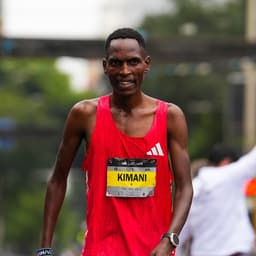
Marathon PB 2:08:19 · Half PB 1:00:14
Brings high-level marathon experience from major races in China, Europe, and the US, with race-day execution at the center of his coaching.

5000m PB 14:09 · 10000m PB 29:33
Trains and coaches in Nyahururu, Rift Valley, developing middle-distance speed and road-race range from 800m to 10K.
Looking for the PDF?
Get the Kenyan Running Method book, free
Eleven chapters by Martin Karoki Muriuki, a Kenyan pro with a 14:13 5K: the sessions, hills, rest, shoes and race day. Enter your email and we send a link to read it online and a PDF to keep.
Or read the first three chapters first.
FAQ
What is the Kenyan running method?
A way of structuring training used by distance runners in Kenya's Rift Valley. Very easy easy days, one or two purposeful hard sessions, a progressive long run, hills for strength, real recovery, and years of consistency. It is taught by coaches in groups, not learned from a book.
Is the Kenyan Running Method ebook worth $29?
As a description of the principles, it is fine, and the seller offers a 30-day refund. It is the same for every reader, and nothing in it changes when you get tired or hurt. If you are deciding between the book and a coach, the book is the theory; the coach is the method.
Who is Eric Kipto?
The name on "The Kenyan Runner Method" ebook sold on Gumroad, and on the TikTok account @runwithkipto. The site lists no biography, competitive record or contact details, and we could not find a runner by that name on World Athletics. KenyanRunning.com has no connection to it. Our advice applies to any "Kenyan" expert, including us: look the person up before you pay. Michael Kimani Kamau's coach page links to his World Athletics profile, and every coach here has a name, a face and a location you can check.
Where can I download the Kenyan Running Method PDF?
Free, from us. KenyanRunning's Kenyan Running Method book is 11 chapters by Martin Karoki Muriuki, a Kenyan pro with a 14:13 5K. Read the first three chapters online and get the full book as a PDF by email at kenyanrunning.com/kenyan-running-method-book. Two paid ebooks with similar names are separate products from other sellers: The Running Week sells The Kenyan Running Method PDF for $29, and The Kenyan Runner Method is sold on Gumroad. We don't sell or host either.
Is there a free Kenyan running method PDF download?
Yes. KenyanRunning's Kenyan Running Method book is free: 11 chapters by Martin Karoki Muriuki, with a PDF and an online version sent by email. The paid ebooks with similar names from other sellers are not free.
Is The Kenyan Running Method book legit, and is there a review?
The Running Week's ebook is a real product from a real media company, sold with a 30-day refund. This page is not a review of the book's contents. What we can say is that the principles it describes are the same ones our coaches train by, and that only a person can adjust your week. If you want a review before buying, ask a coach here what he would change in your current training. That answer is free.
Is the Kenyan Runner Method book the same as the Kenyan Running Method?
No. They are two separate ebooks from two separate sellers that happen to share a name. Both describe the Kenyan running training method in general terms. No runner with a competitive record you can look up wrote either one.
Can I train the Kenyan way without moving to Kenya?
Yes. The method transfers; the altitude doesn't. What you need is the structure, the restraint, and someone who knows what "easy" means to keep you honest.
How is online coaching different from the ebook?
Everyone who buys the ebook gets the same week. A coach writes yours, changes it when your body or your life changes, and answers when you ask why.
Where to go next
Martin's own 11-chapter guide: his real training week, easy-pace discipline, hills, rest and race day. First three chapters open on the page, full book and PDF free by email.
Related next stepHow Kenyan runners trainThe full breakdown of effort-based structure, mileage progression, and why the easy days are slower than you think.
Related next stepWhat makes Kenyan running training different?The core differences between Kenyan distance training and the way most hobbyists train, explained plainly.
Related next stepMeet the coachesThree professional runners with public records, each taking a small number of athletes.
Related next stepCoaching plans and pricingFoundation, Performance and Elite, from $79 a month. Monthly, cancel any time.
Related next stepTake the free coach-match quizFive questions to find the plan and coach that fit your goal.
Related next stepCompare major marathon coursesThe Kenyan Running Race Index scores major marathon courses on difficulty and elite field depth.
What to do next
Pick a coach, tell him your goal, and get your first week within days. Monthly, cancel any time.
Start coaching from $79/month