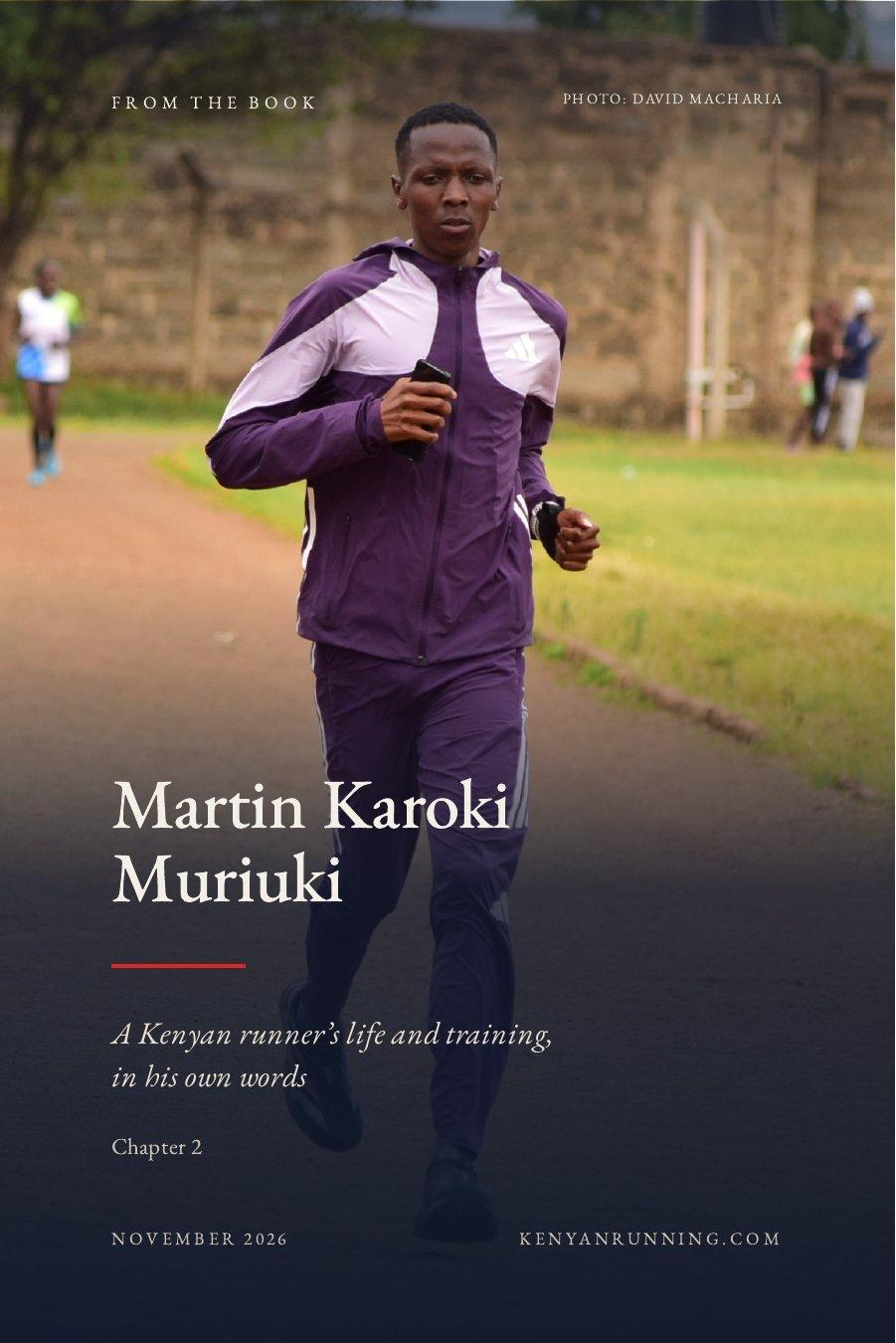
초벌 번역입니다. 원문은 영어이며, 위에서 English를 누르면 볼 수 있습니다.
나는 농장에서 자랐다. 우리 지역 주민들은 대부분 키쿠유족이다. 우리는 유명한 달리기 선수들을 많이 배출하는 부족은 아니다. 케냐 서부에 사는 칼렌진족은 달리기 선수가 정말 많다. 하지만 내가 자란 지역에는 그렇지 않았다. 그렇다고 어릴 때 그런 사실이 신경 쓰였던 건 아니다. 왜냐하면 나는 달리기 선수가 되고 싶지 않았기 때문이다. 엔지니어나 전기 기술자가 되고 싶었다.
그런데도 나는 매일 아침 달렸다. 학교가 멀어서 걸어가면 지각하기 일쑤였기 때문이다.
* * *
아침이면 집에서 해야 할 일이 있었다. 어머니는 젖을 짜고 계셨고, 아버지도 다른 일들을 하고 계셨다. 아침 식사는 준비되는 대로 먹었는데, 조금 늦었다. 밥을 먹고 나면 이미 시간이 빠듯했다. 늦은 시간을 만회하려면 달릴 수밖에 없었다.
학교까지는 5킬로미터였고 아침 7시까지 도착해야 했다. 그래서 나는 달렸다. 매일 아침 학교에 가기 위해 5킬로미터를 달린 것이다. 집으로 돌아올 때도 똑같이 5킬로미터였지만, 그때는 서두를 필요가 없었다.
나는 책가방을 메고 있었다. 시계가 없어서 얼마나 빠르게 달렸는지 알 수 없었다. 아침 공기는 추웠지만, 그렇다고 아주 추운 정도는 아니었다. 아마 섭씨 6도쯤 됐을 것이다. 몇 년 뒤 한국에서 팟캐스트에 출연해 이 이야기를 했더니 진행자가 섭씨 6도면 꽤 추운 날씨라고 했다. 비가 오는 날이면 학교에 갈 때도, 집에 돌아올 때도 비를 맞았다.
누구도 그것을 훈련이라 부르지 않았다. 그것은 우리가 학교에 가는 방법이었을 뿐이다.
* * *
나는 목조 주택에서 자랐다. 우리 집의 수입은 농사에서 나왔다. 옥수수와 콩, 감자를 재배했다. 어린 시절 내내 학교가 끝나면 농장에서 부모님을 도와 씨를 뿌리고, 수확하는 일을 했다. 우리는 직접 농사지은 것들을 먹었다. 수확하고 나면 필요하지 않은 것은 팔고 그 나머지는 우리가 먹을 것으로 남겨두었다.
케냐의 일부 지역에는 치안 문제가 있다. 하지만 내가 자란 지역은 평화로웠다. 우리는 그런 불안을 겪지 않았다. 나는 그곳에서 자랄 수 있어서 참 다행이라고 생각한다.
* * *
나는 초등학교 마지막 학년인 8학년이었다. 우리 마을에 나보다 나이가 많은 베단 카로키(Bedan Karoki)라는 형이 있었다. 우리 둘은 '카로키'라는 이름이 같다.
형은 그때 이미 일본에 가 있었다. 우리 지역에서 일본인 후원자가 지원하는 육상 클럽에서 훈련했고, 일본 고등학교에 진학할 수 있는 육상 장학금을 받았다. 그렇게 일본에서 3년 동안 다니며 고등학교를 마쳤다.
일본에는 모든 사람들이 텔레비전으로 지켜보는 에키덴 장거리 계주 경기가 있다. 형은 고등학교 마지막 해에 자기 구간에서 팀을 9위에서 선두까지 끌어올렸고 결국 팀은 전국 대회에서 우승했다.
그리고 난 후 형은 일본의 한 기업팀에서 그 회사의 브랜드 홍보대사로서 뛰었다. 일본에는 기업마다 자체 에키덴 팀이 있다. 2012년, 내가 8학년이던 해에는 런던 올림픽 10,000미터 결승에 출전해 5위로 경기를 마쳤다.
형은 나에게 달리기에 관한 이야기를 자주 해주었다. 그때까지만 해도 나는 아직 훈련을 시작하지 않은 상태였다. 하지만 일본 회사에 들어간 뒤 형의 생활이 훨씬 좋아지는 것을 보았다. 달리기도 일이다. 평생 직업이 될 수 있다. 달리기는 돈이 된다. 그래서 생각했다. 나도 한번 해보면 어떨까?
나는 형과 이야기했고, 나를 도와줄 수 있는지 물었다. 형은 언제부터 시작하고 싶으냐고 물었다. 내가 설명하자, 일본에 갔다가 휴가 때 케냐에 돌아오면 훈련에 필요한 것들을 가져다주겠다고 했다.
그리고 형이 돌아왔을 때 러닝화 한 켤레와 훈련복을 가져다주었다. 나는 훈련을 시작했고 형은 많은 조언을 해 주었다. 형은 나의 멘토이자 롤모델이고, 아주 좋은 친구다.
* * *
고등학교 시절 나는 그저 평범한 선수였다. 훈련 경험도 없었고, 제대로 훈련할 수 있는 시설도 없었다. 2주 정도 훈련하다 보면 부상을 당하곤 했다. 아파서 훈련을 중단했다. 그리고 다시 시작했다. 꾸준히 훈련하지 않았고 기록은 좋지 않았다.
학교 대항 육상 경기에 출전하기는 했다. 케냐의 학교 대회는 지역 단위에서 시작해 상위 지역 대회로 올라가고, 거기서 다시 전국 대회로 이어지는 방식이다. 나는 지역 단위 대회 수준에서도 지곤 했다.
그래도 내게 어느 정도 재능이 있다는 건 알게 되었다. 그래서 스스로에게 이렇게 말했다. 고등학교 졸업 후 1년 정도 해보면서 나한테 맞는 일인지 알아보자고.
그 일에 대해 부모님은 부모님대로 생각이 있으셨다.
© 2026 KenyanRunning LLC. Please do not share this chapter.
Chapter 1
Nobody called it training
I grew up on a farm, in a community that is mostly Kikuyu. We are not the famous running tribe. The Kalenjin, in the west of the country, have many, many runners. In my community there are not many. That did not matter to me as a boy, because I did not want to be a runner. I wanted to be an engineer, or an electrician.
But every morning I ran, because the school was far and walking made me late.
* * *
In the morning there was work at home. My mother was milking. My father was doing other things. Breakfast came when it came, and it came a bit late. I ate, and by then the time was lost, so I had to make it up. The school was five kilometres away, and I had to be there by seven. So I ran. Five kilometres, every school morning. Coming home it was the same five kilometres, but there was no hurry.
I carried a bag of books. I had no watch, so I cannot tell you the pace. It was cold in the mornings, but not that cold, maybe six degrees Celsius. When I said this on a podcast in Korea, years later, the host said six degrees is pretty cold. When it rained, we were rained on, going to school and coming home.
Nobody called it training. It was how we got to school.
* * *
I was raised in a timber house. Our income was the farm. We planted maize, beans and potatoes. For all of my early life, after school there was the farm: helping my parents, planting, harvesting. We ate from it. After the harvest we sold what we did not need and kept the rest for food.
In some parts of Kenya there are insecurity issues. The region where I grew up was peaceful. We did not experience any insecurity, and I am glad I was raised in that region.
* * *
I was in class eight, the last year of primary school. There was a guy from my village, older than me, Bedan Karoki. We share the same second name. By then he had already gone to Japan. He had trained in a club in our area that a Japanese man sponsored, and he got a running scholarship to a high school in Japan. He went for three years and finished high school there. In Japan they have the ekiden, the long relay races the whole country watches on television. In his last year of high school Bedan took his team from ninth place to the front on his leg, and they won the national one. Then he ran for a company team in Japan, as their brand ambassador. The companies have their own ekiden teams. In 2012, the year I was in class eight, he ran the 10,000 metres final at the London Olympics and finished fifth.
He used to tell me about running. I had not started training yet. But I saw the good life he began to live once the Japanese company employed him. Running is also work. It can be a job in life. This running is paying. So I thought: what if I try this?
I talked to him and asked him to support me. He asked me when I wanted to start. I explained, and he said that when he went back to Japan and came home for the holidays, he would bring me some things for training. When he came back, he brought me a pair of running shoes and training clothes. I began my training, and he advised me a lot. He is my mentor and my role model, and a very good friend.
* * *
In high school I was just average. I had no experience and no facilities to train. I would train for two weeks, and then I would get an injury. It was painful, so I would stop. Then I would come back. It was not consistent, and so the performance was poor.
I ran in the school games. In Kenya the school competitions go from the local level to the regional, and from the regional to the nationals. I would be beaten even at the local level.
But I had found that I had some talent. I told myself: after high school, maybe I can try this for a year, and see whether I am fit for it.
My parents had their own opinion about that.
© 2026 KenyanRunning LLC. Please do not share this chapter.