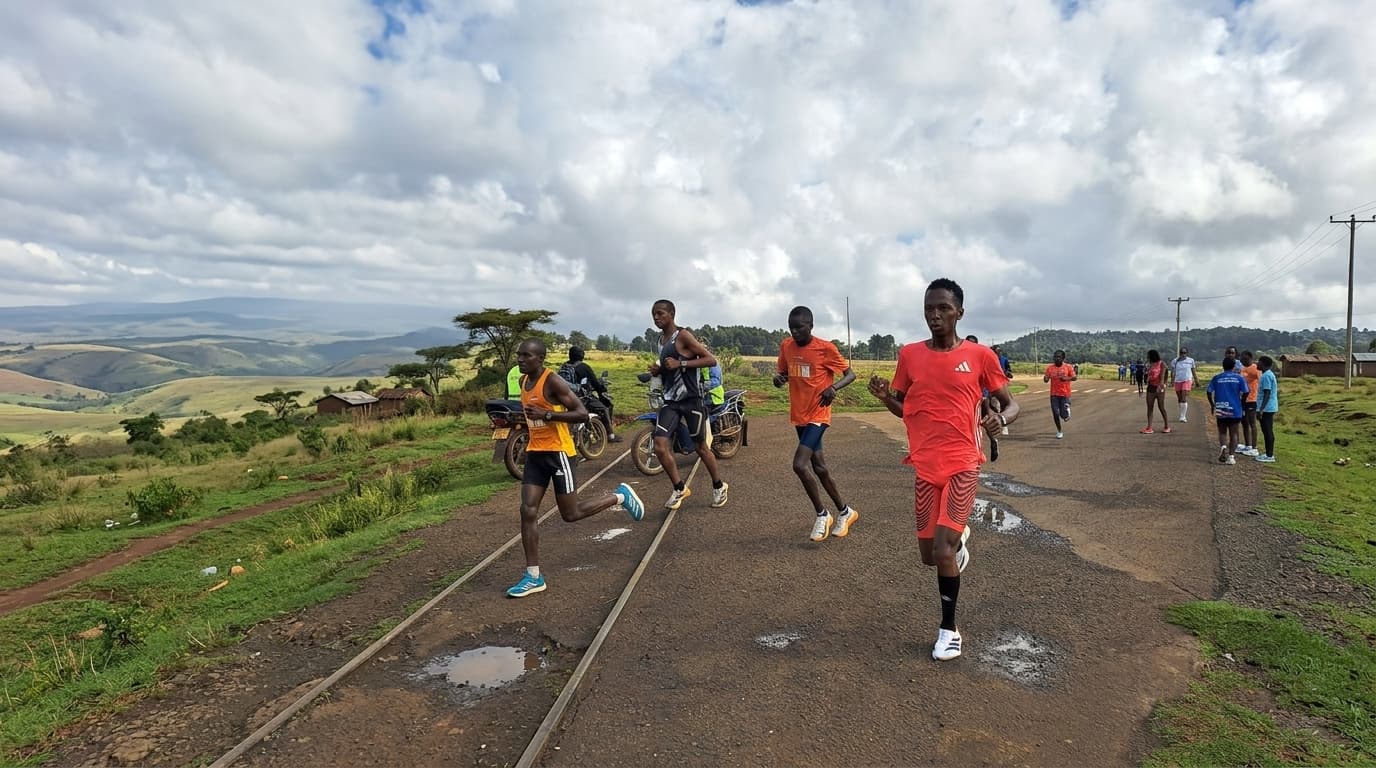
A running app generates a plan from your data; a running coach reads your week in context and makes judgment calls an algorithm cannot.
You wake up at 5 a.m. with a tight left calf. On the app's schedule: a 14-mile long run. So you face a choice: skip the workout and fall behind “the plan,” or push through and risk six weeks on the sideline.
A coach makes that call for you. Not based on a training algorithm. Based on knowing you ran back-to-back track sessions this week, that you mentioned last Tuesday your calf felt “weird,” and that your goal race is eleven weeks away, not today.
That gap is real. And no app has closed it.
Apps Are Brilliant at the Easy Part
To be fair: running apps have gotten very good. Platforms like Runna, TrainAsONE, and others can generate periodized training blocks, calculate appropriate weekly mileage progressions, and adapt pacing zones to your recent workouts. For a runner going from couch to 5K, or building toward a first half-marathon, a well-designed app is genuinely useful.
The problem isn’t the technology. The problem is that the technology solves the part of training that was already solvable, and ignores the part that isn’t.
Structured training plans have existed since the 1960s. Arthur Lydiard published the fundamentals of base-building, periodization, and peaking for race day seventy years ago. An app that generates a 16-week marathon plan is doing what a good coaching book has always done, just faster. That’s valuable. It’s not the same as being coached.
What Coaching Actually Is
Real coaching is a continuous feedback loop between a runner and someone who has run, not managed runners, not studied runners, but run, at a high level, recently.
A coach who finished a 2:08 marathon last season knows what mile 20 costs. They know the difference between a runner who is tired and a runner who is undertrained. They know when to push and when to pull back, not from a dataset, but from pattern recognition built over thousands of miles of personal experience.
This is what the professional runners at KenyanRunning bring to their athletes. They are not trainers who became coaches. They are runners who also coach. The training they prescribe comes from inside the sport, not from observing it.
When one of our coaches adjusts your week-four tempo run because you messaged them that Tuesday’s session felt off, that call isn’t automated. It’s a judgment made by someone who ran a tempo session of their own last Wednesday, someone who knows what “off” feels like in their own legs and recognizes it in yours.
The Personalization Illusion
Marketing for AI coaching apps leans heavily on one word: personalized. And technically, they’re right, the plans do differ from user to user based on inputted data. But personalization isn’t the same as understanding.
An app personalizes by adjusting variables: mileage, pace targets, recovery days. It cannot personalize for the conversation you had with your coach about overtraining after your last marathon. It cannot factor in that you travel for work and struggle to hit long runs on Thursdays. It cannot sense when your motivation is fraying and you need someone to remind you why you started.
Human coaching is not a better version of algorithmic coaching. It is a different category of thing.
The comparison is a little like asking whether a GPS is better than a local guide who grew up on those roads. The GPS is impressive. The guide knows where the road floods in March.
Not sure whether you need a coach or just more structure?
The free coach-match quiz is the fastest way to see whether Foundation, Performance, or Elite makes sense for your goal.
| Training App | KenyanRunning Coach | |
|---|---|---|
| Plan adapts to your data | ✓ | ✓ |
| Responds to injury signals | — | ✓ |
| Adjusts for life / travel | — | ✓ |
| Built from racing experience | — | ✓ |
| Ongoing human relationship | — | ✓ |
Where It Matters Most
If you’re chasing a specific number (a BQ, a sub-1:45 half, a first sub-3 marathon), every training decision matters. The closer you get to your ceiling, the less room there is for generic adjustments. A breakthrough race and a DNF are often separated by choices made three weeks before race day, not on race day itself.
A Different Standard
At KenyanRunning, we don’t sell plans. Our coaches build training around each athlete’s goal race, current fitness, and available time, then stay in communication as those variables shift, which they always do.
You won’t get a generated schedule. You’ll get a professional runner’s honest read on where you are, what it will take to get where you want to go, and what to do this week. That’s what coaching looks like when it comes from the inside.
If you want the app, there are dozens of good ones. If you want the coach, you know where to find us. If you want the shorter version of that decision first, start with running app vs running coach.
Ready to Train With a Real Coach?
We'll be in touch within 24–48 hours to start onboarding and build your first week the right way.
Start with a coach →What to read next
Follow the thread that matches where you are right now: understanding the method, deciding whether coaching is worth it, or choosing the next practical step.
Read the shorter comparison if you want the decision condensed into the practical differences that matter most.
Related next stepCompare coaching plansSee what changes between Foundation, Performance, and Elite if you already know you want human coaching.
Related next stepTake the free coach-match quizGet pointed toward the right support level based on your goal, current training, and experience.
Related next stepExplore the Kenyan Running Race IndexSee how major marathons rank by course difficulty and elite field depth.